Joy of School
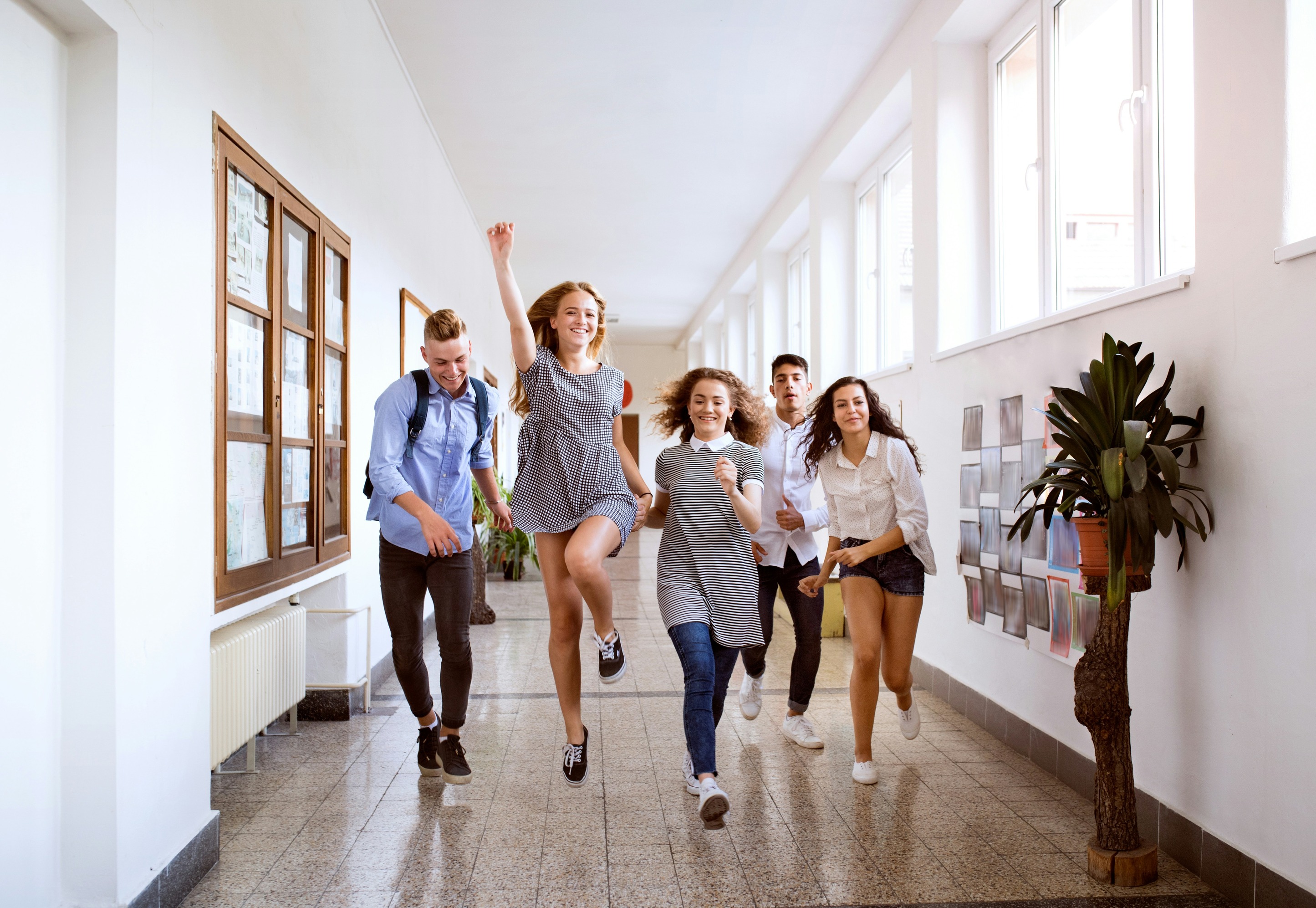
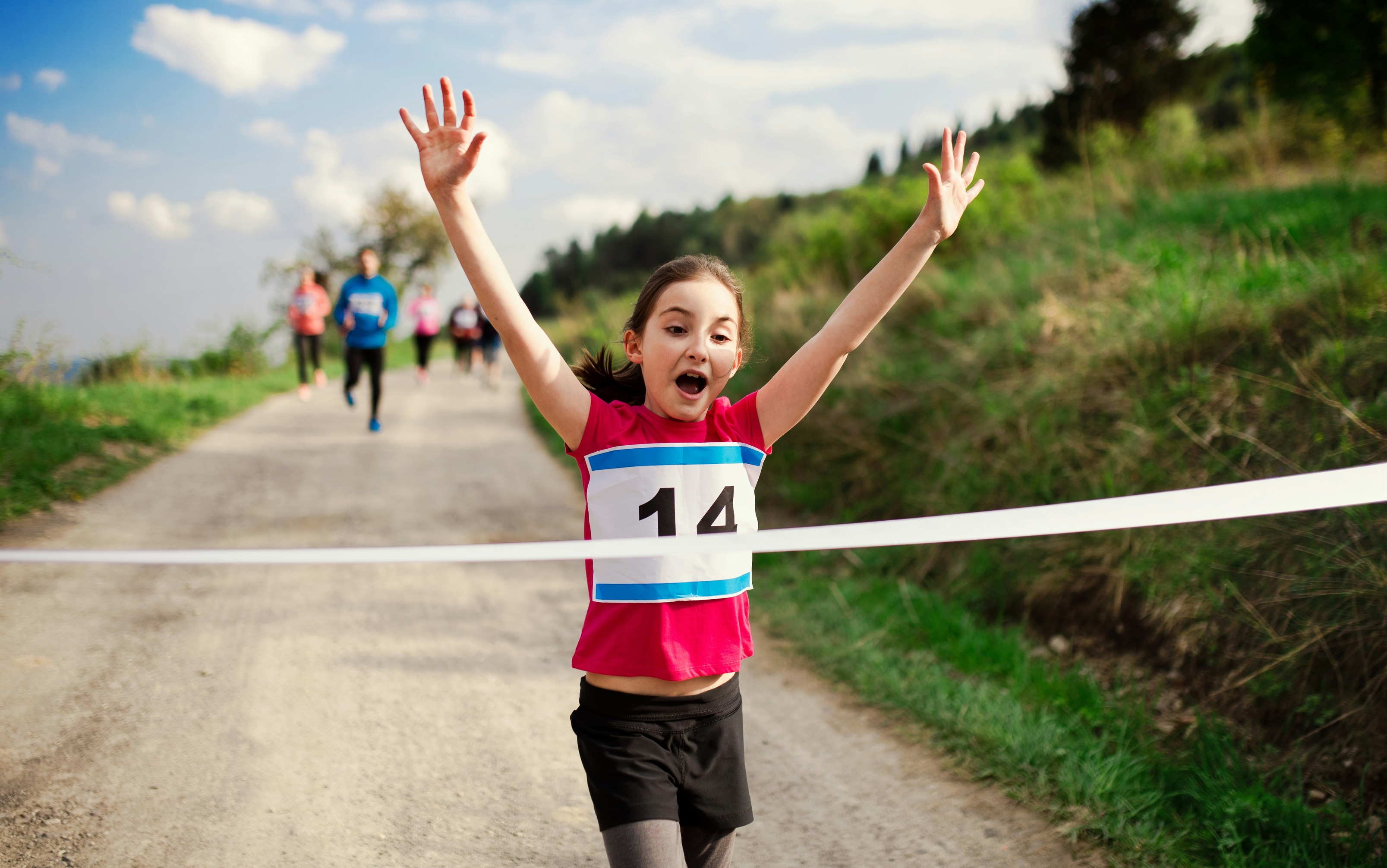
''Joy of Being at School'' program, dedicated to primary education, is designed as a way to facilitate children's acquisition of new knowledge. The length of the program can vary and depends on the time available. We aim for the ''Joy of Being at School'' program to be flexible and adaptable to the school's needs and resources. We encourage and support active participation and creative exploration, emphasizing the joy of learning and the holistic development of children. We propose the following activities, focused on learning through games, fun practical activities and the integration of nature in the learning process:
1. Educational Games
- Interactive math games using tactile materials (e.g., cubes, balls) to make mathematical concepts more tangible.
- Word and literacy games, including interactive stories and word-guessing games.
- Simple science games, experiments, and observations in nature.
- Problem-solving games to develop critical and creative thinking.
- Cooperative activities promoting teamwork and social skill development.
2. Fun Practical Activities
- Art and creativity workshops using recyclable materials.
- Manual work and practical activities, such as simple cooking or working with materials like clay.
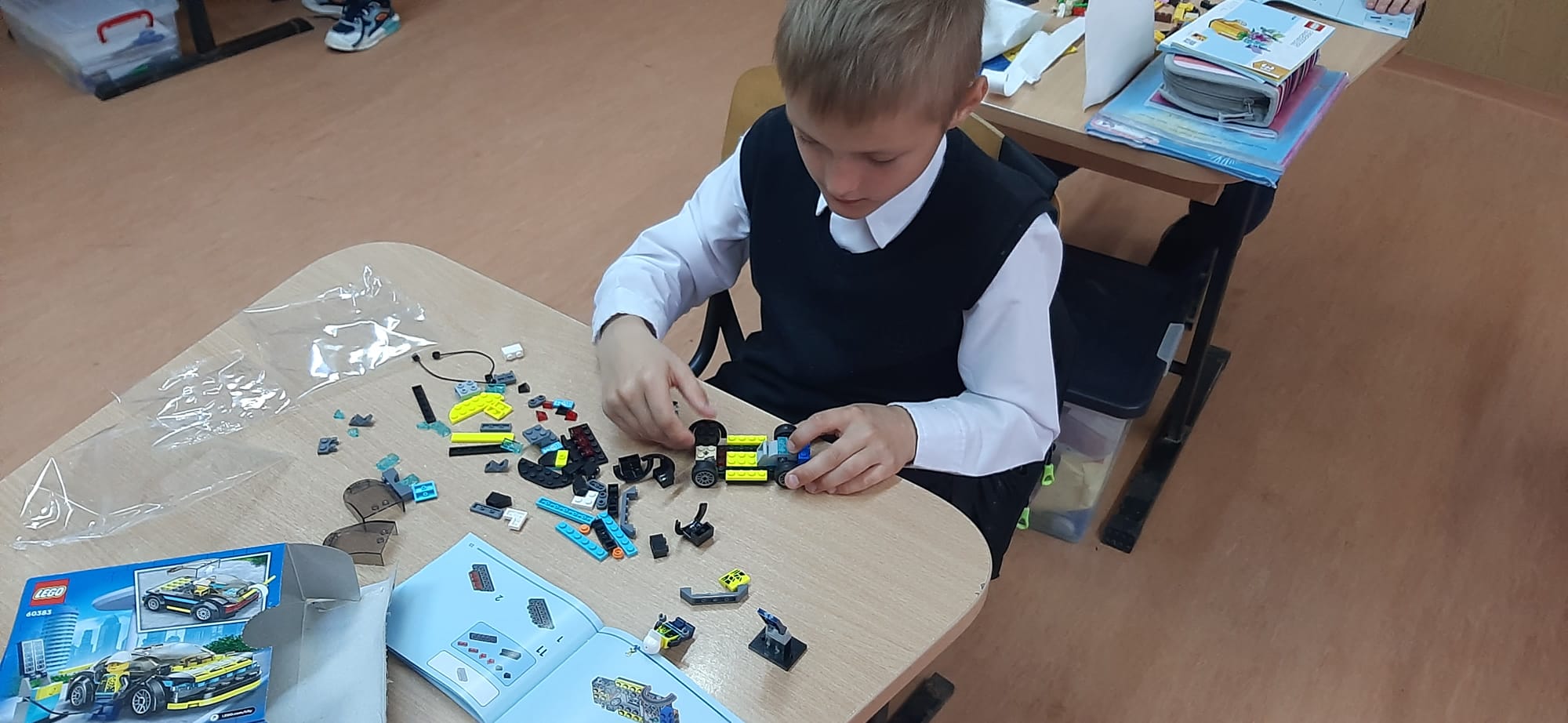
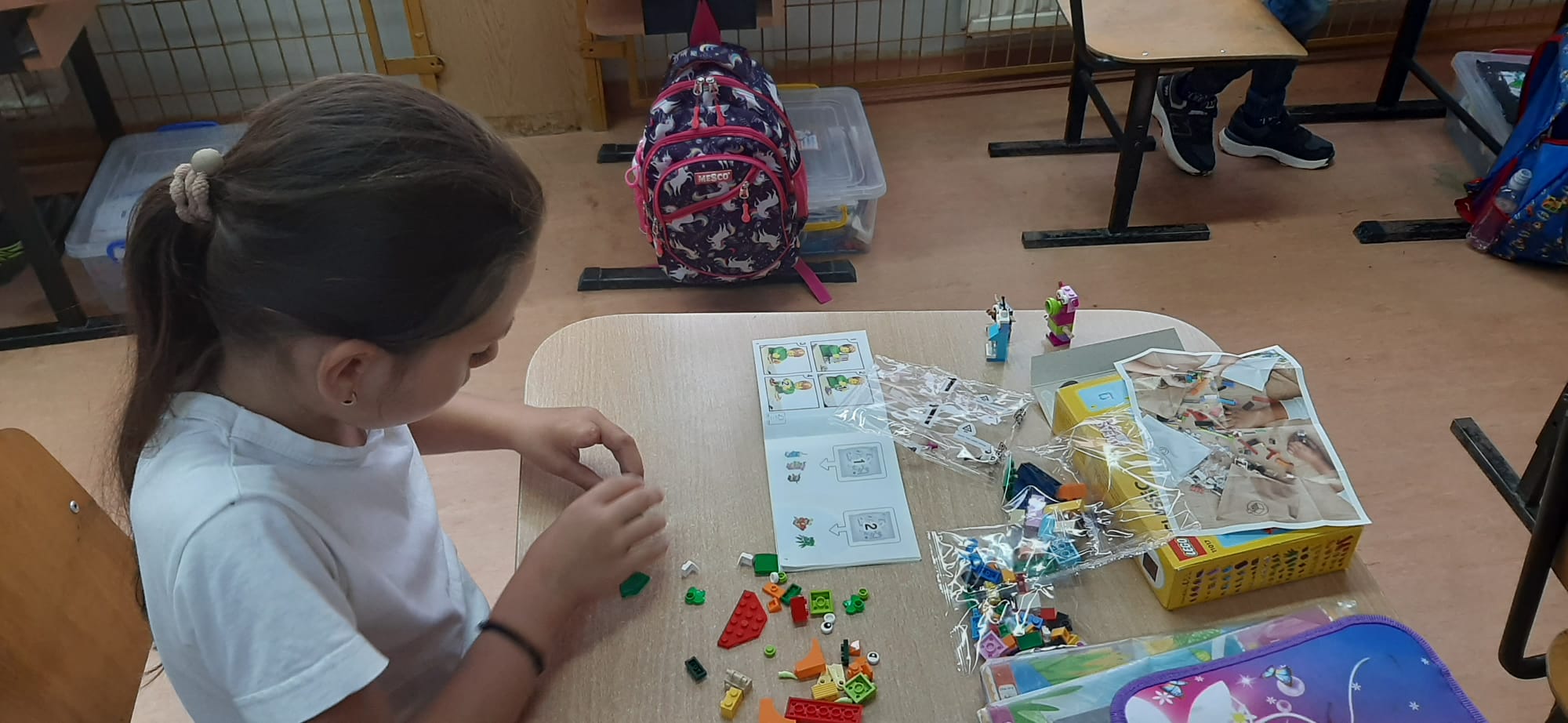
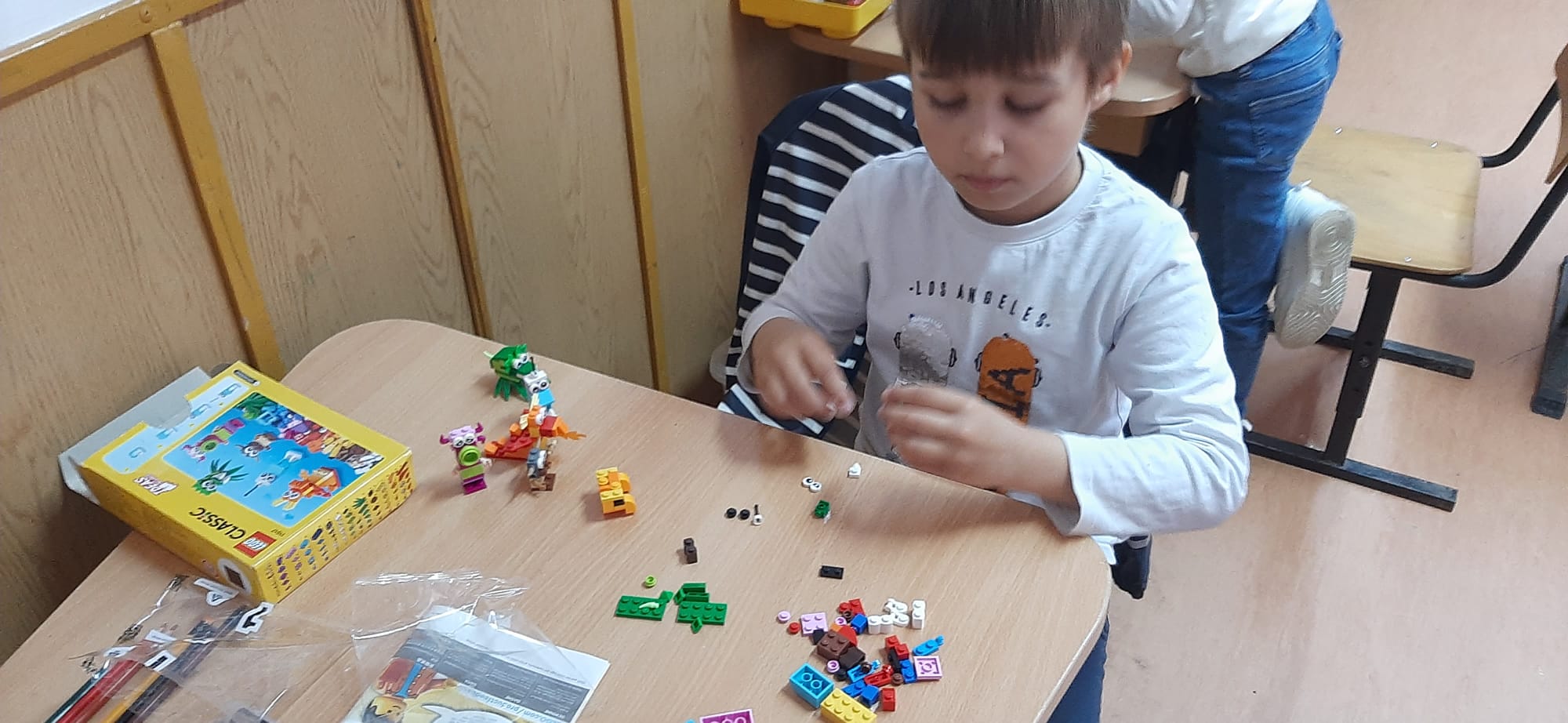
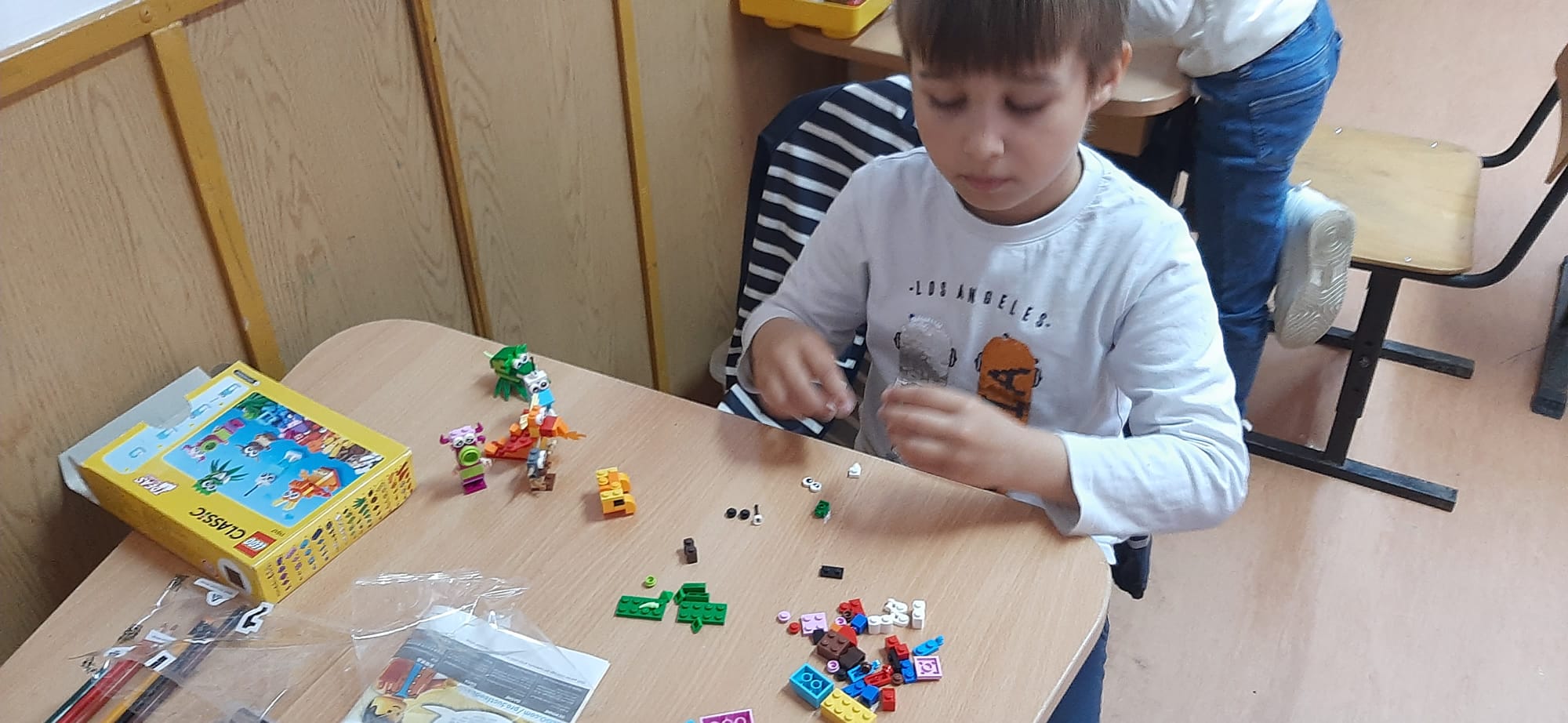
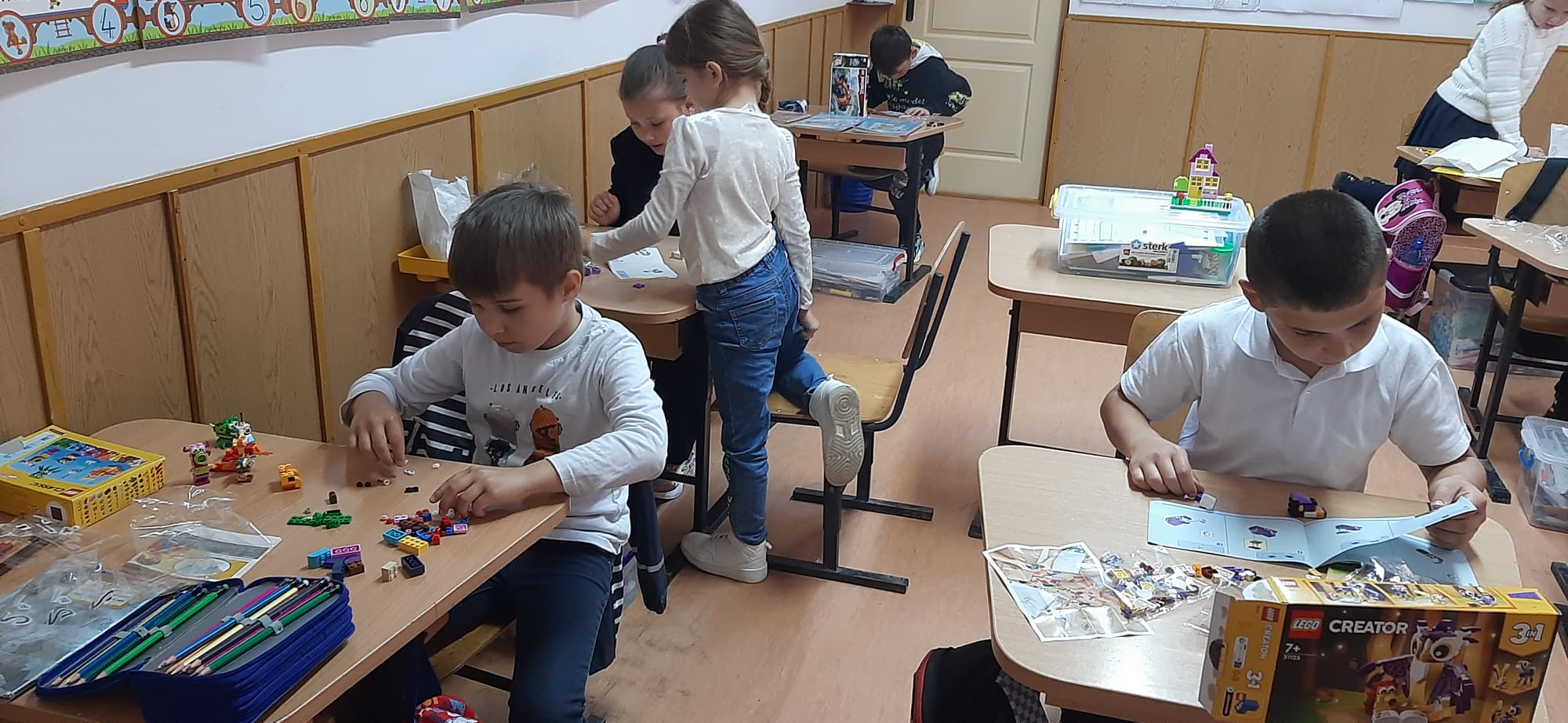
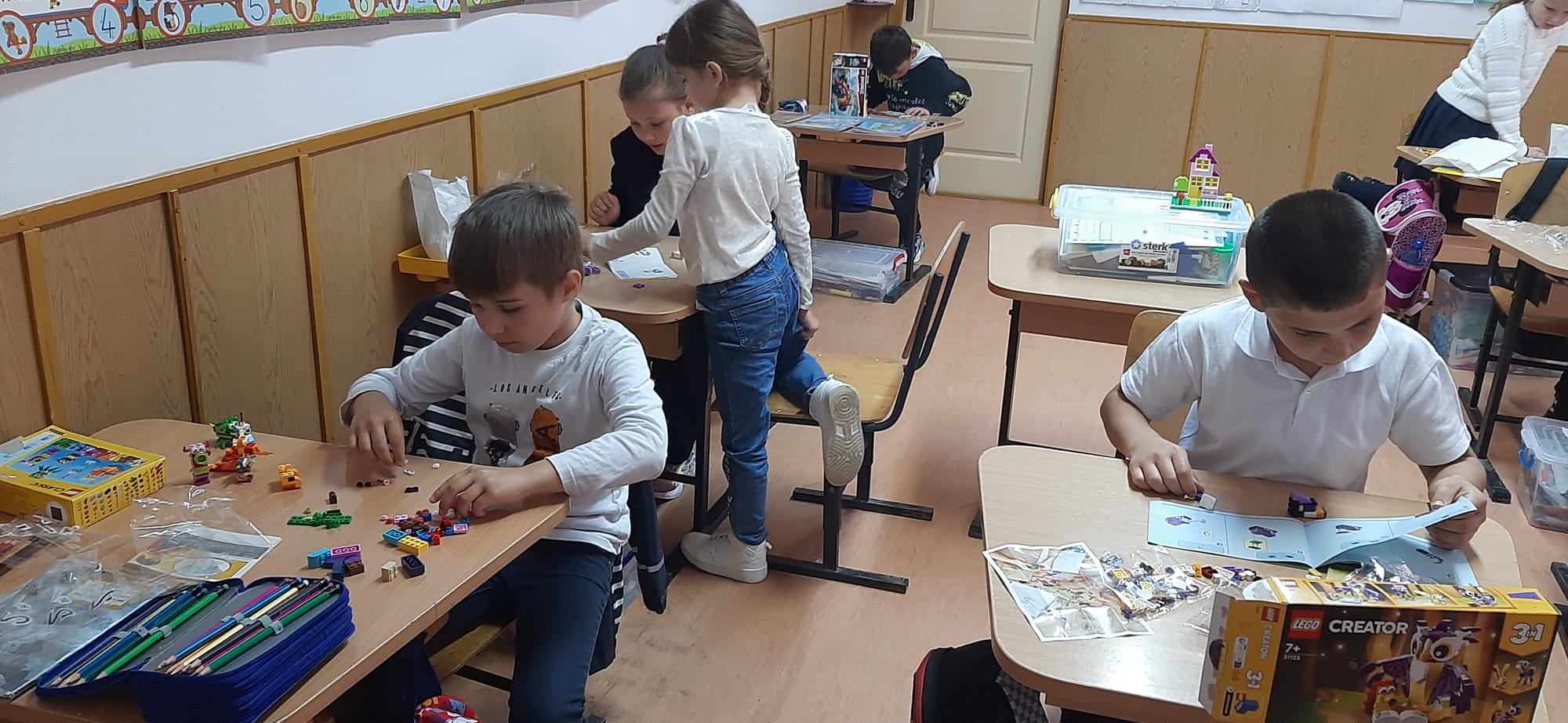
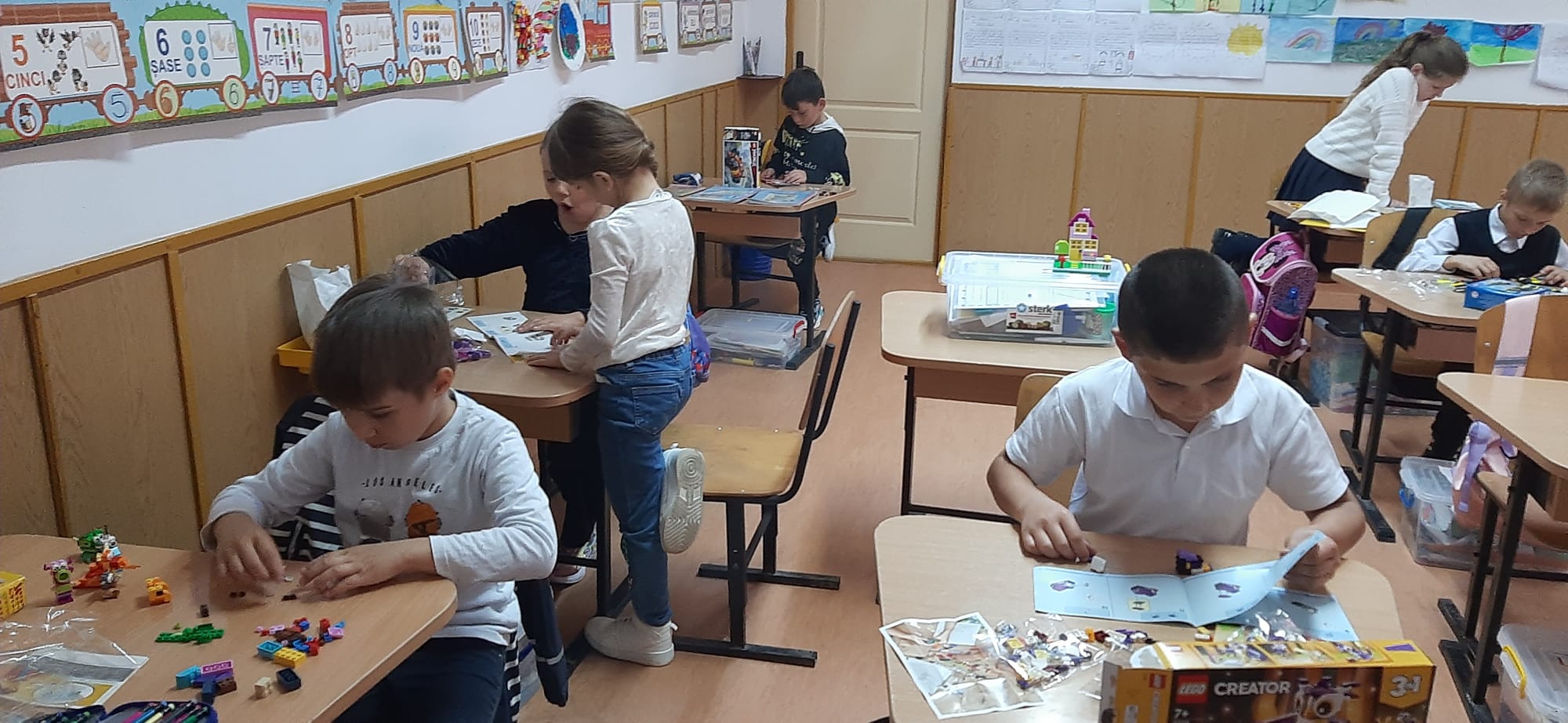
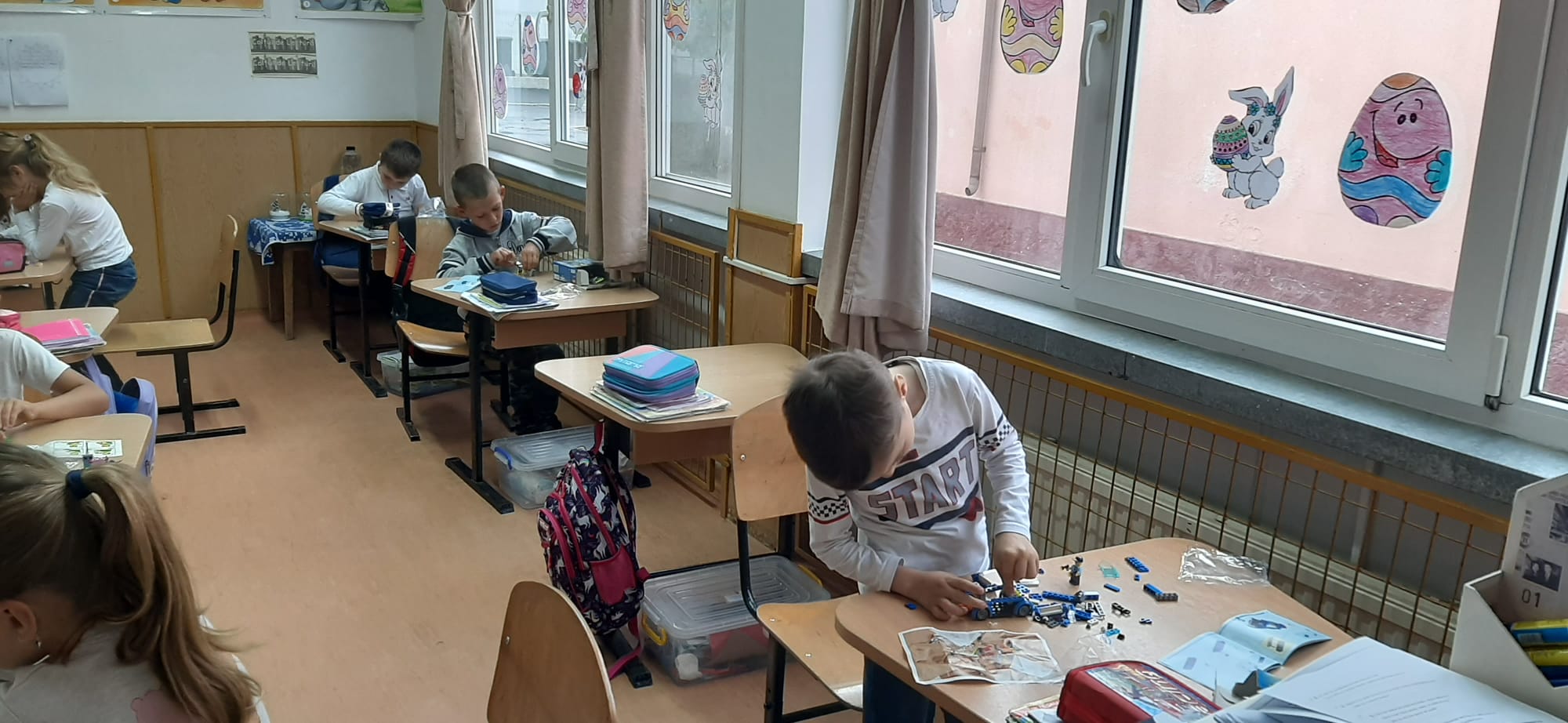
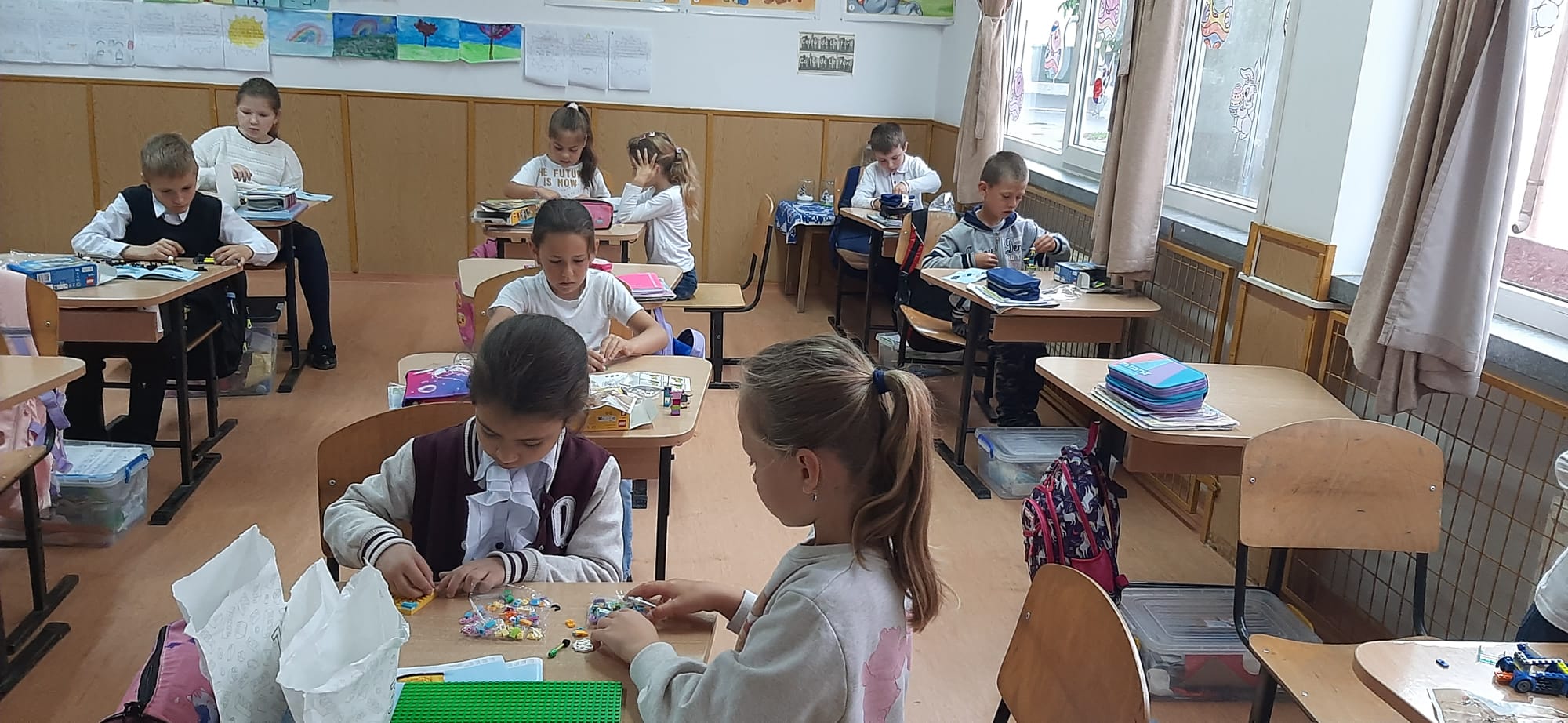
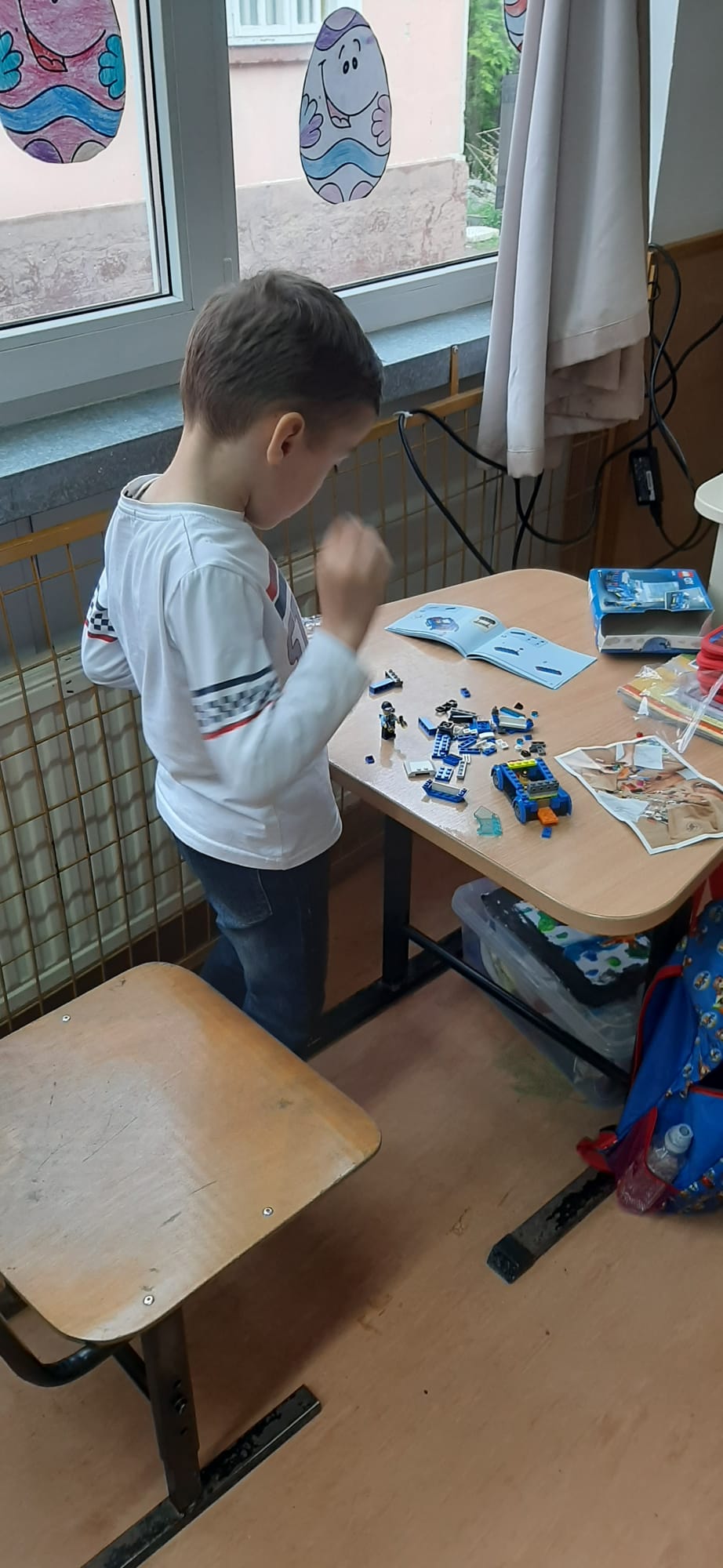
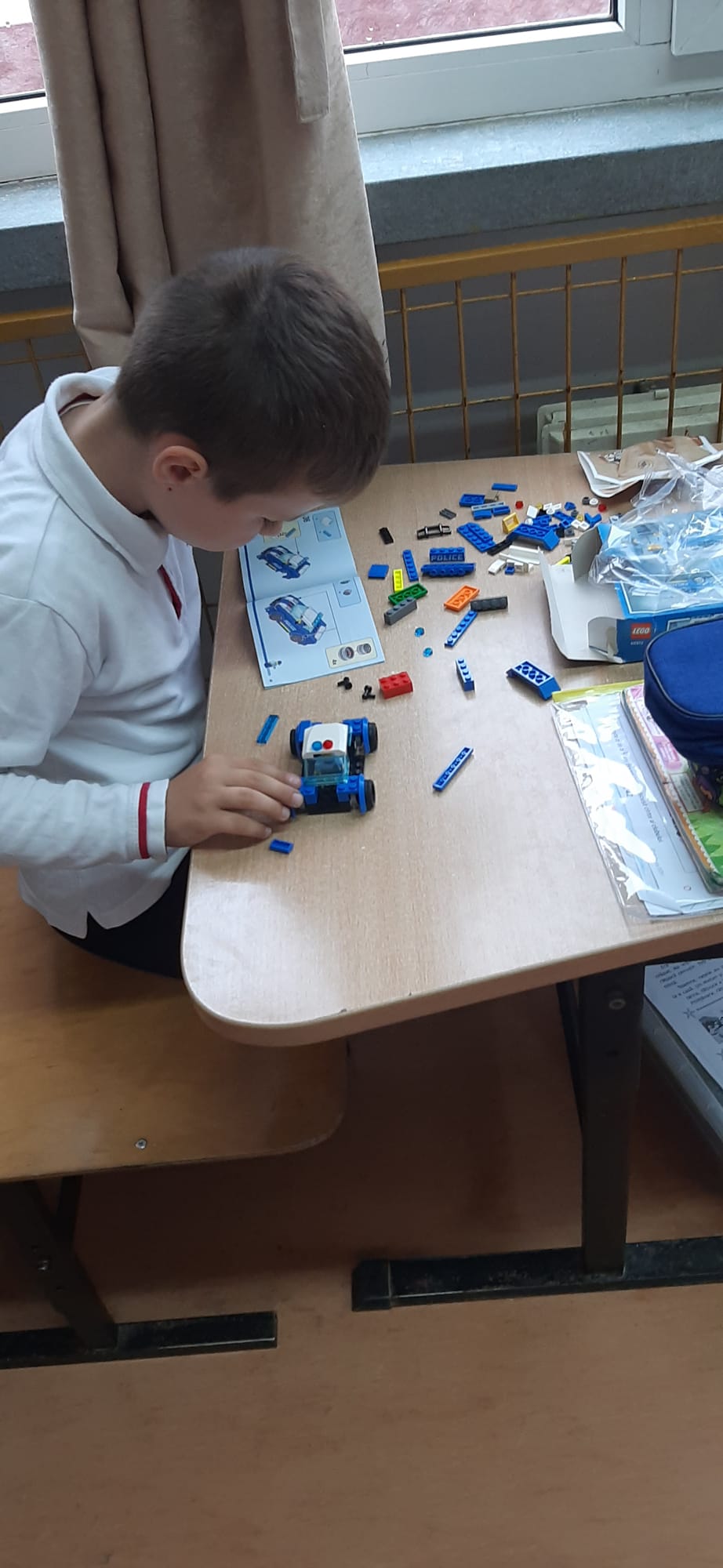
- Construction and assembly games to develop fine motor skills.
- Musical and theatrical activities to stimulate expressiveness and communication.
- Small community projects to learn about responsibility and collaboration.
3. Connecting with Nature
- Nature excursions to observe plants, animals, and natural phenomena.
- Gardening activities to understand the life cycle of plants and the importance of nature in our lives.
- Orientation and exploration games in nature.
- Stories and creative activities inspired by nature.
- Outdoor meditation activities to promote relaxation and connection with the surrounding environment.
4. Diversity and Inclusion
- Activities promoting cultural diversity and friendly interaction among children.
- Stories and games highlighting the importance of respect and mutual acceptance.
- Artistic activities celebrating the diversity of talents and interests.
- Team-building games emphasizing collaboration and mutual support.
- Activities to develop empathy and understanding in the school community.
5. Recap and Celebration
- Presentations of favorite projects and activities.
- Performances or exhibitions of artistic works.
- Recreational activities and games to celebrate efforts.
- Conclusion of the program with a picnic or outdoor party.
- Program evaluation, feedback, and preparation for the future.